Do I have a
Personality Disorder?
Every person has a unique way of thinking, feeling, reacting, and connecting with others — this is what we call personality. Sometimes, certain emotional or behavioral patterns can become so intense, long-lasting, or difficult to manage that they start affecting relationships, work, self-image, or day-to-day peace of mind. This is broadly referred to as a Personality Disorder.
A personality disorder does not mean something is “wrong” with you, nor does it define who you are. It simply means that some patterns in the way you experience emotions, relationships, trust, reactions, or self-perception may be creating emotional distress or challenges in life
Get Help now
Before You Begin 💙
Please answer the following questions as honestly as you can, based on how you usually feel or behave — not how you wish things were.
There are no right or wrong answers, and this is not a test or diagnosis.
This questionnaire is simply designed to help us understand your emotional patterns better so that your consultation can be more meaningful, comfortable, and personalized for you.
✨ Take your time, go with your first honest response, and remember — this is a safe, judgment-free space.
How it works?
How We Help You with Personality-Related Concerns
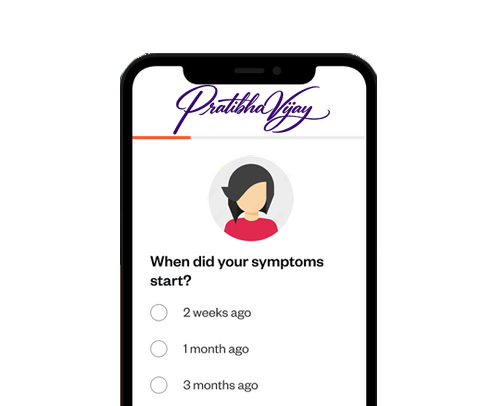
Understand Yourself Better
Start with our simple and engaging personality pattern questionnaire designed to help identify emotional, behavioral, and relationship patterns that may be affecting your daily life.
Get Personalized Professional Guidance
Based on your concerns, connect with a qualified mental health counsellor for a confidential one-on-one consultation tailored to your emotional needs and personal experiences.
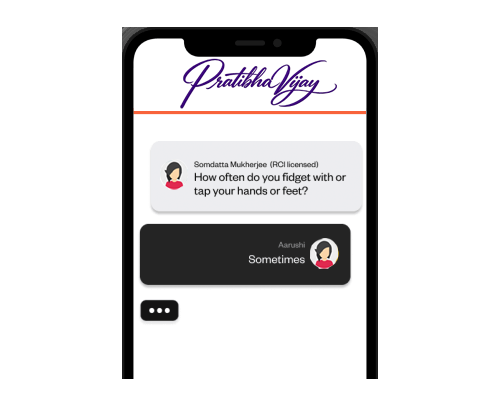
Begin Your Healing & Growth Journey
Receive supportive guidance, practical coping strategies, and a safe space to work on healthier emotional responses, relationships, self-awareness, and long-term emotional well-being.
Types of Personality Disorders
Personality disorders are commonly grouped into three broad clusters based on similar patterns of thinking, emotional responses, and behavior.
Cluster A – Odd or Eccentric Personality Patterns
People in this cluster may appear unusual, emotionally distant, suspicious, or socially disconnected.
Includes:
- Paranoid Personality Disorder – Persistent distrust and suspicion of others, often believing people may harm or deceive them.
- Schizoid Personality Disorder – Preference for isolation, emotional detachment, and limited interest in close relationships.
- Schizotypal Personality Disorder – Unusual thoughts, eccentric behavior, social discomfort, and difficulty forming close connections.
Cluster B – Dramatic, Emotional, or Unpredictable Personality Patterns
People in this cluster often experience intense emotions, unstable relationships, impulsive behavior, or a strong need for attention or control.
Includes:
- Antisocial Personality Disorder – Disregard for others’ rights, impulsive actions, manipulation, or lack of remorse.
- Borderline Personality Disorder (BPD) – Intense emotional ups and downs, fear of abandonment, unstable relationships, and impulsive reactions
- Histrionic Personality Disorder – Strong need for attention, emotional expressiveness, and discomfort when not being noticed.
- Narcissistic Personality Disorder – Inflated self-importance, need for admiration, sensitivity to criticism, and difficulty empathizing with others.
Cluster C – Anxious or Fearful Personality Patterns
People in this cluster often struggle with fear, insecurity, dependency, perfectionism, or avoidance.
Includes:
- Avoidant Personality Disorder – Extreme sensitivity to rejection, social fear, and avoidance of relationships despite wanting connection.
- Dependent Personality Disorder – Excessive reliance on others for reassurance, decisions, and emotional support.
- Obsessive-Compulsive Personality Disorder (OCPD) – Strong need for control, perfectionism, rigid routines, and difficulty with flexibility.
✨ Important Note: Personality disorders are not labels that define a person. With the right support, awareness, and therapeutic guidance, individuals can develop healthier coping patterns and improve emotional well-being.